

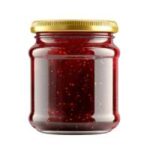
 Jam
 Pickles
 Canned Vegetable
 Syrups
 Vinegar
 IQF Vegetables
 IQF Fruits
 Fruit Strip
 Iranian Foods
How Jam Is Made (Commercial Production): From Fresh Fruit to Finished Jars

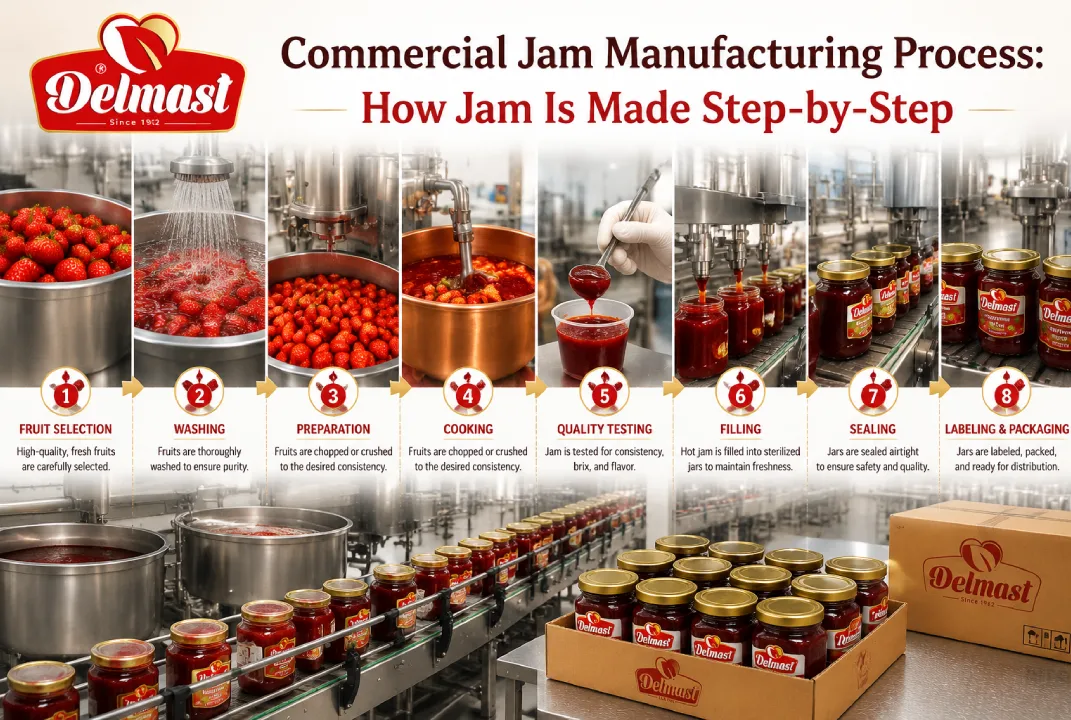
Jam may look like a simple combination of fruit and sugar, but commercial production involves a carefully controlled process. Behind every jar is a sequence of steps designed to maintain flavor, texture, safety, and consistency.
Understanding How Jam Is Made in industrial facilities shows how manufacturers transform fresh ingredients into a stable product that can be stored and enjoyed worldwide.
From fruit selection to packaging, every stage requires precision. Small changes in ingredients, temperature, or processing methods can affect the final quality of the jam.
How Jam Is Made in Modern Commercial Factories
The first step in jam production is selecting the right fruit. Manufacturers choose fruits based on freshness, natural sugar levels, color, acidity, and texture. High-quality raw materials create a better final product.
After selection, fruits are washed carefully to remove dirt and unwanted particles. Depending on the type of fruit, seeds, stems, and unwanted parts are removed before processing.
The prepared fruit is then crushed, chopped, or turned into a puree. Some jams contain smooth textures, while others keep small fruit pieces to create a more traditional experience.
Ingredients Used During the Jam Production Process
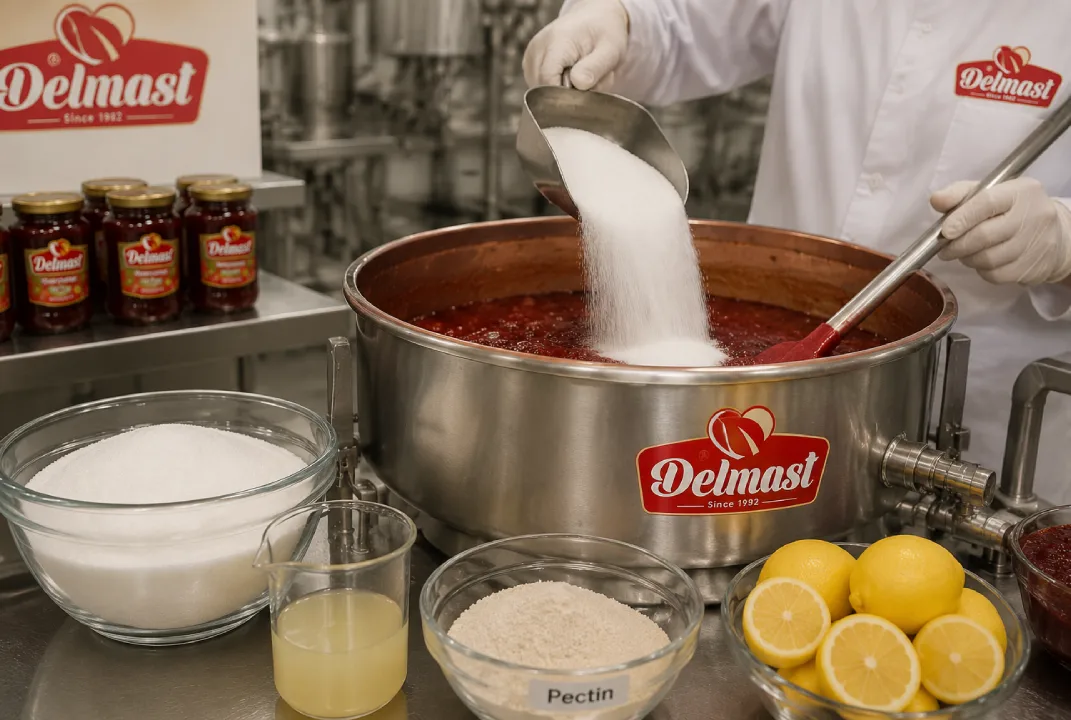
The Jam production process requires more than just fruit. Sugar, pectin, and acidic ingredients such as lemon juice are added to create the right balance.
- Sugar plays an important role in sweetness and preservation. It reduces available moisture, helping prevent microbial growth while creating the familiar texture of jam.
- Pectin is another key ingredient because it allows the mixture to become thick and spreadable. Natural pectin levels vary between fruits, so manufacturers often adjust the formula depending on the recipe.
Optimizing the sugar ratio in industrial production relies on accurate measurements. Too much sugar can cause crystallization, while too little may affect shelf life and gel formation.
Cooking and Concentrating the Jam Mixture
Cooking is one of the most important stages in commercial manufacturing. The fruit mixture is heated in specialized equipment where excess water is removed and flavors become more concentrated.
Unlike homemade cooking, factories use advanced systems to control temperature and processing time. Some manufacturers use vacuum cooking technology, which helps protect fruit color and aroma by reducing exposure to high heat.
During this stage, sugar dissolves, pectin activates, and the mixture develops its final texture.
Learning How Jam Is Made step by step explains why industrial production requires careful monitoring. Each stage influences the taste, appearance, and stability of the finished product.
Quality Testing Before Packaging
Before filling jars, manufacturers perform several quality checks. These tests ensure that the jam meets safety standards and delivers consistent results.
Important quality checks include:
| Test | Purpose |
|---|---|
| Sugar level | Controls sweetness and preservation |
| pH measurement | Maintains safety and stability |
| Texture testing | Ensures proper thickness |
| Color inspection | Protects visual quality |
| Microbiological testing | Prevents contamination |
One common challenge during production is Jam Crystallization. This occurs when sugar forms visible crystals inside the product. Proper ingredient ratios, controlled cooking, and suitable storage conditions help prevent this problem.
Filling, Sealing, and Creating Market-Ready Products
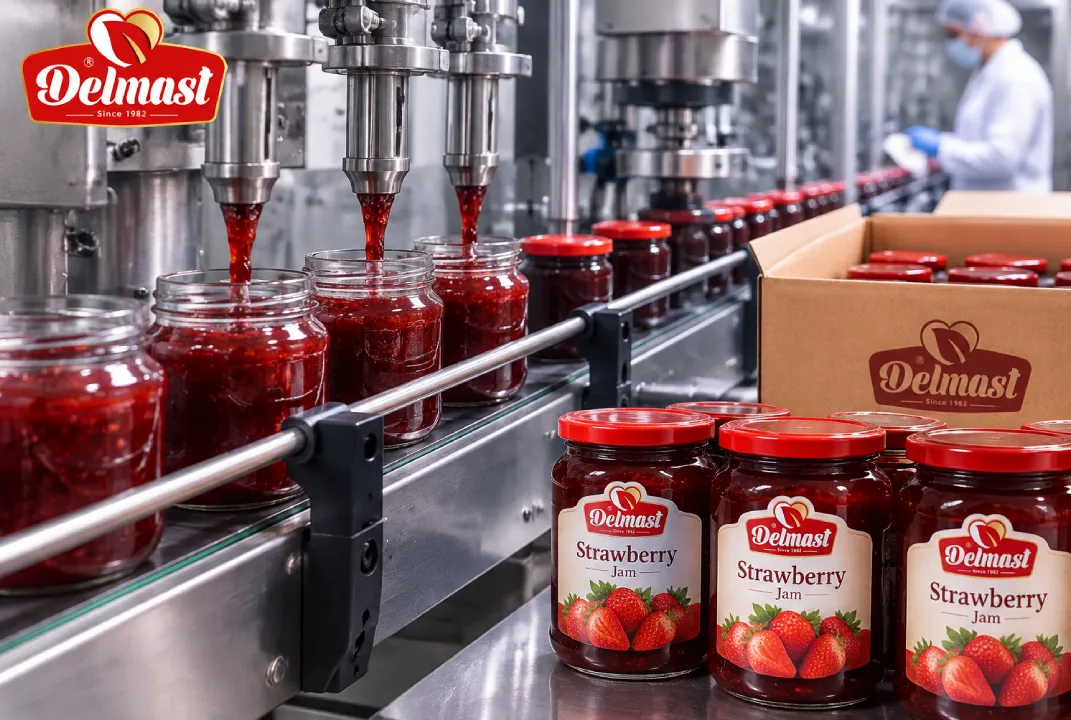
After passing quality tests, the jam moves to packaging. Automated filling machines transfer the product into sterilized jars while maintaining hygiene standards.
The jars are sealed, cooled, labeled, and prepared for transportation. Packaging protects the jam and allows manufacturers to offer different sizes for supermarkets, restaurants, and food businesses.
Companies that produce Private Label Jam often customize recipes, packaging designs, and labels based on their customers’ requirements.
Scaling Up: From Traditional Jam Recipes to Industrial Manufacturing
While basic jam production relies on simple principles—combining fruit, sugar, and heat—scaling this process for commercial distribution presents unique challenges.
The primary distinction between batch preparation and industrial manufacturing is batch-to-batch consistency. Commercial facilities must ensure that thousands of jars achieve identical flavor profiles, shelf stability, and viscosity.
For delicate fruits like strawberries, which possess high moisture content and heat-sensitive natural aromas, industrial processors must carefully balance temperature controls and pectin levels to maintain product integrity at scale.
Maintaining Quality Control in Large-Scale Jam Production
Maintaining high product quality without sacrificing efficiency requires strict adherence to core production principles. Fresh fruit selection, precise sugar ratios, controlled thermal processing, and protective packaging form the foundation of scalable jam manufacturing. In industrial operations, maintaining consistency across high-volume batches means every variable must be monitored in real time. Automated sensors continuously measure sugar concentration Brix and pH levels during cooking to prevent variations between production cycles. By standardizing these essential parameters, food manufacturers can optimize throughput and lower operational waste while delivering a reliable, premium product to retail distributors and private-label partners.
Key Factors to Consider Before Choosing Jam Products
When buying commercial jam or working with a manufacturer, several factors should be reviewed:
- Quality and origin of fruits
- Production standards and hygiene practices
- Ingredient transparency
- Packaging options
- Storage conditions
- Ability to maintain consistent quality
The complete process of How Jam Is Made combines agricultural selection, food science, and careful manufacturing decisions. A high-quality jam is not created by cooking alone; it is the result of controlling every detail from the first fruit inspection to the final sealed jar.
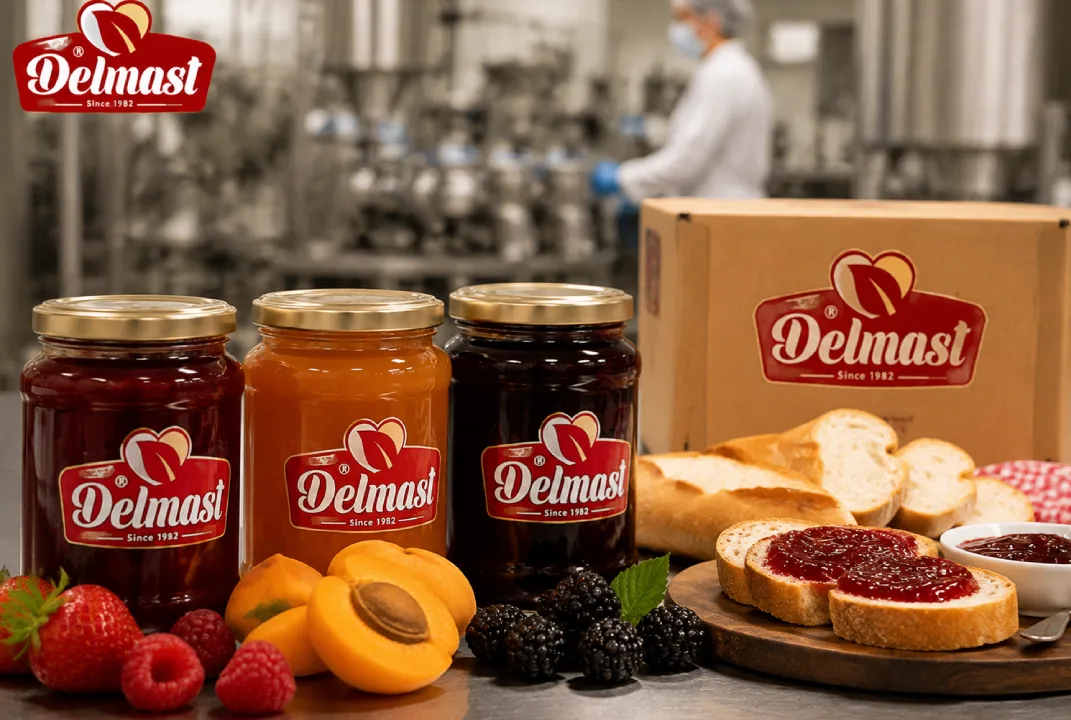
What Makes a Commercial Jam Stand Out?
A successful jam product is built on balance. The right fruit, accurate formulation, and controlled production methods create a product that customers can trust.
Whether produced for supermarkets or developed as a private brand, great jam depends on attention to every step. The journey from fresh fruit to a finished jar is what transforms a simple recipe into a professional food product.